Clipper economy case study: inside the Clavicular machine
A clipper economy case study: a streamer reportedly paying more than 1,500 clippers $30 per 1,000 views, roughly $650,000 a month, and what operators should copy.

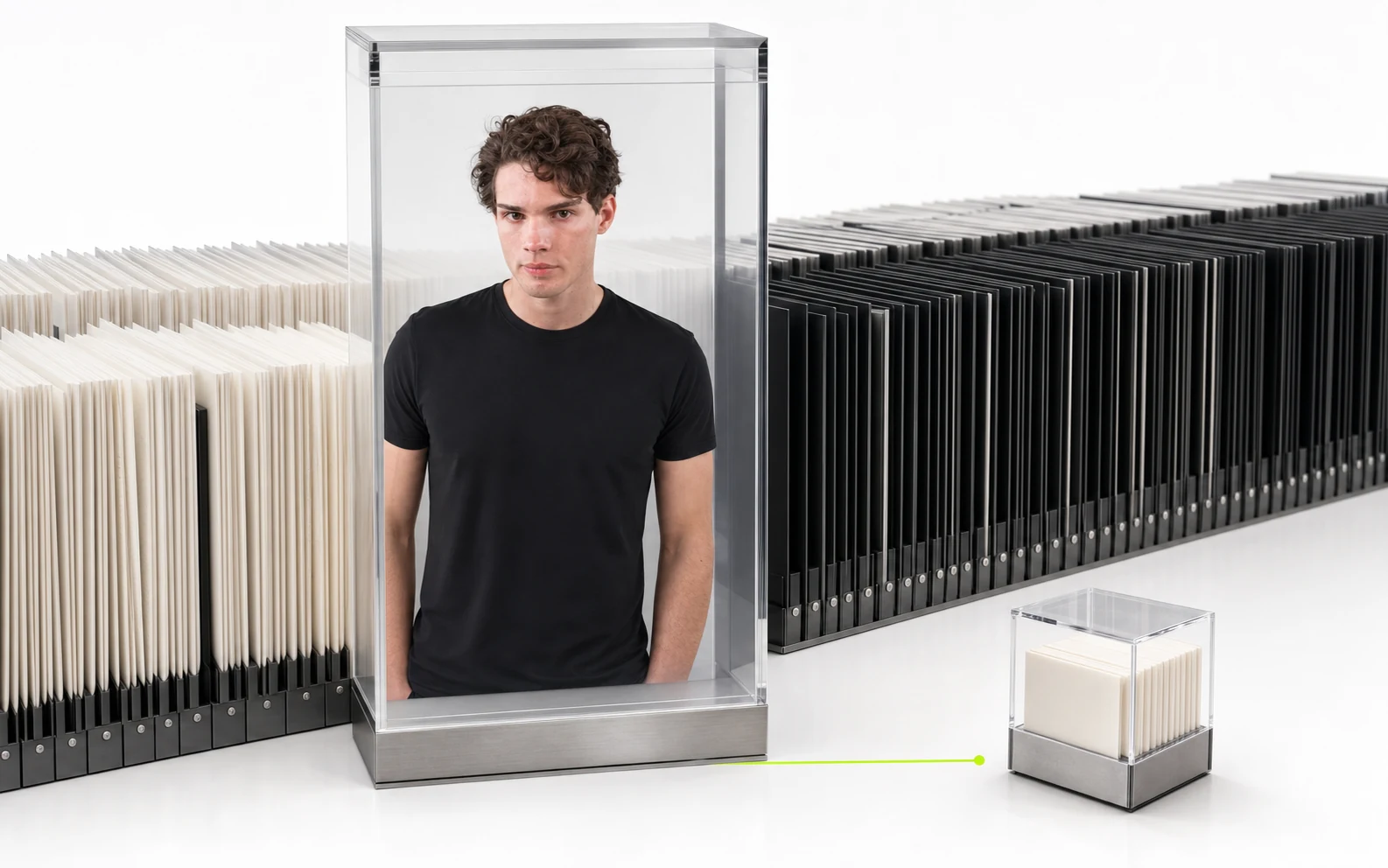
If you want one clipper economy case study that explains how paid clipping actually works, it is Clavicular. In early 2026 a 20-year-old streamer by that name became impossible to avoid on TikTok, Reels, and Shorts, and that was not an accident. Public reporting and analyst commentary describe one of the largest paid clipping operations ever run for a single person.
This breakdown covers the reported numbers, the mechanics behind them, and the part most coverage skips: what a brand or founder should copy from this machine, what they should refuse to copy, and where the disclosure and verification risks sit. If you are new to the model itself, start with what clipping is and come back.
What did the operation reportedly cost?
Clavicular has reportedly said his clippers earn $30 for every 1,000 views. Analyst Devin Nash estimated it would cost roughly $666,000 a month even at a $1 CPM just to run the campaign. The operation reportedly involves more than 1,500 clippers (the operator’s own data points to roughly 1,600), more than any other streamer, each posting 50 to 100 clips across multiple accounts, producing about 70,000 clips and 2.2 billion views in a month.
Two things stand out in those numbers. First, the rate. $30 per 1,000 views is far above what brand campaigns typically pay: most 2026 clipping campaigns sit in the $1–6 CPM range, and low-effort faceless clipping commonly runs $0.50–1.50. Our guide to how much to pay clippers covers the normal bands. A rate that rich buys speed and loyalty, but it only makes sense if attention itself is the product, which for a streamer converting fame into sponsorships it arguably is.
Second, the output per dollar. Take the reported figures at face value and roughly $650,000 bought about 2.2 billion views, which is why analysts spent so much time trying to reverse-engineer the math. Whether every one of those views was real is a separate question, and we will get to it.
Taken at face value the reported figures do not reconcile: $30 per 1,000 views across 2.2 billion views would cost tens of millions, not $650,000 a month. That gap is exactly why analysts treat these numbers as directional claims rather than audited results.
How does the machine work?
- 1
One source, many cutters
Hundreds of hours of stream footage become raw material for a small army of editors. The streamer's only content job is to keep streaming; distribution is outsourced entirely.
- 2
Volume across accounts
Each clipper posts dozens of clips across multiple accounts to clear payment thresholds. Every account is a separate shot at the algorithm.
- 3
Pay on views
Clippers are paid per thousand views, so the incentive is reach, not polish. Nobody is paid for effort; they are paid for outcomes.
- 4
Reach compounds
A single clip can dwarf a live stream, turning a few thousand concurrent viewers into millions of impressions. New viewers find the stream, which produces more footage, which feeds more clips.
| Streamer | Clippers | Reported spend | Period |
|---|---|---|---|
| Clavicular | 1,500+ | ~$650K | per month |
| N3on | 303 | $1.4M | over 5 weeks |
Why does paying per view scale like this?
The design insight is that per-view payment moves all the creative risk onto the clippers, and they accept it willingly because the upside is uncapped. The operator never pays for a clip that flops. Roughly 70,000 clips in a month is 70,000 independent experiments in hooks, captions, and framing, and the feed algorithms grade every one of them. The winners get paid and studied; the losers cost the operator nothing.
It also exploits a fact about short-form distribution that most marketing budgets still ignore: the algorithm does not care who posts. A faceless account with 200 followers can out-deliver a verified account with a million if the clip holds attention. That makes hundreds of small accounts, in aggregate, a better distribution asset than one big one, and it is why clipping networks beat single-channel posting for raw reach.
The loop compounds. Clips recruit viewers, viewers become clippers (the rate is public and the barrier is a phone and an editing app), and more clippers mean more clips. That self-recruiting quality is unique to operations where the payment terms are open and simple.
What should operators copy?
Strip away the spectacle and you are left with a performance-marketing system any brand or founder can run at a fraction of the scale. The step-by-step lives in how to run a clipping campaign; these are the specific mechanics worth stealing from this case.
- Pay on outcomes, not effort. A clear per-1,000-views rate means your spend tracks reach exactly. No retainers, no paying for clips nobody watched.
- One source, many posters. A single demo, founder interview, or launch stream can feed dozens of clippers. You do not need a network that size; a brand test with 20 to 50 posters runs the same loop.
- Simple, public terms. Part of why the operation recruited so fast is that the deal fit in one sentence. Complicated payout rules kill clipper supply.
- Treat clips as experiments. Volume is a hook-testing engine. Watch which angles clear the algorithm, then push more source material in that direction.
- Let winners win. Uncapped (or high-capped) upside is what makes skilled clippers choose your campaign over the next one.
What should operators avoid?
- Paying on unverified views. A public per-view rate with no bot filtering is an open invitation to view fraud. At $30 per 1,000 views, faking views is a business. Verify before you pay, every time.
- Undisclosed paid posts. Clips that look like organic fan content but are paid placements are exactly what regulators and platforms are moving against. Require disclosure in the brief and reject clips that skip it.
- No review before posting counts. A streamer can shrug off an off-brand clip; a brand cannot. Review submissions against the brief before they earn.
- Multi-account spam patterns. Dozens of near-identical clips from linked accounts is the behavior platforms are learning to suppress. Prefer more clippers posting fewer, more varied clips.
- No caps or budget controls. Per-view spend is open-ended by design. Set per-clip caps and a campaign budget so one runaway clip does not drain the wallet.
Where are the disclosure and verification risks?
The uncomfortable part of this case study is that its two biggest risks are invisible in the headline numbers. Disclosure first: when thousands of paid clips circulate as apparently organic fan content, audiences are being marketed to without knowing it. For a brand, that is not a gray area. Paid placement without disclosure invites regulatory trouble and, more practically, a trust problem the moment it is exposed.
Verification is the other. The reported view figures are self-reinforcing: clippers report views, views trigger payment, and payment attracts more clippers. Without independent verification, an operator cannot know what fraction of a number like 2.2 billion is real human attention. That is tolerable if the goal is a headline; it is fatal if the goal is customers. Platforms that verify views before payout, filter bot and junk traffic, and run every submission through a review queue exist precisely because of what campaigns like this exposed.
Two billion reported views in a month, and nobody outside the operation can verify them.
The lesson of the Clavicular machine is not the scale. It is that attention can be bought as a commodity, priced per thousand views, and assembled from hundreds of independent posters. Do that with authorized footage, disclosed placements, and verified views, and you have a distribution channel. Skip those three things and you have a scandal with good reach.
Common questions

Written by
Elliot Padfield · Co-founder, technology & growth
Co-founder of Mainstage, leading technology and growth. A creator-economy operator and former GTM marketer, he's run ops for an 8M-follower creator.
Reach you can’t buy with ads.
Commission original creator posts or turn existing media into native short-form. Set approved-content, verified-view, or hybrid payouts, then run briefs, review, verification, and reporting in one place.